
– Bob the Builder
I grew up professionally in advertising agencies. For the first decade of my career, I was working on a wide variety of clients in a wide variety of industries with a wide variety of target audiences using a wide variety of media and technologies to go to market.
I was blessed to build and run a digital media team for most of that first decade. While the focus of the team was digital, we operated using a couple of key ideas.
First, we didn’t have to use any particular vendor, technology, or tool to solve a problem. We led with curiosity and finding the best combination of solutions to solve a problem.
Second, we believed in the adage, “Just because you can, doesn’t mean you should.” Grounded in the first idea, we were continually learning and understanding new vendors, technologies, and tools, how they worked, what they did for us and our clients. But we fought the urge to do something new for the sake of it being new.
We weren’t against “test and learn”, but we also weren’t a team with a mandate to “test and learn”. We had to prove it and invest wisely.
The balance of these two ideas allowed us to stay on the cusp of new solutions while ensuring we had a plan in place for how new solutions would deliver against KPIs – including KPIs tied to the operational efficiency of the team.
Sometimes we were leaders in applying new solutions. Sometimes we were followers. But we ALWAYS were focused on delivering results to drive the business.
And we were ALWAYS continuously learning, optimizing our results, and removing the tools that were not contributing to our KPIs.
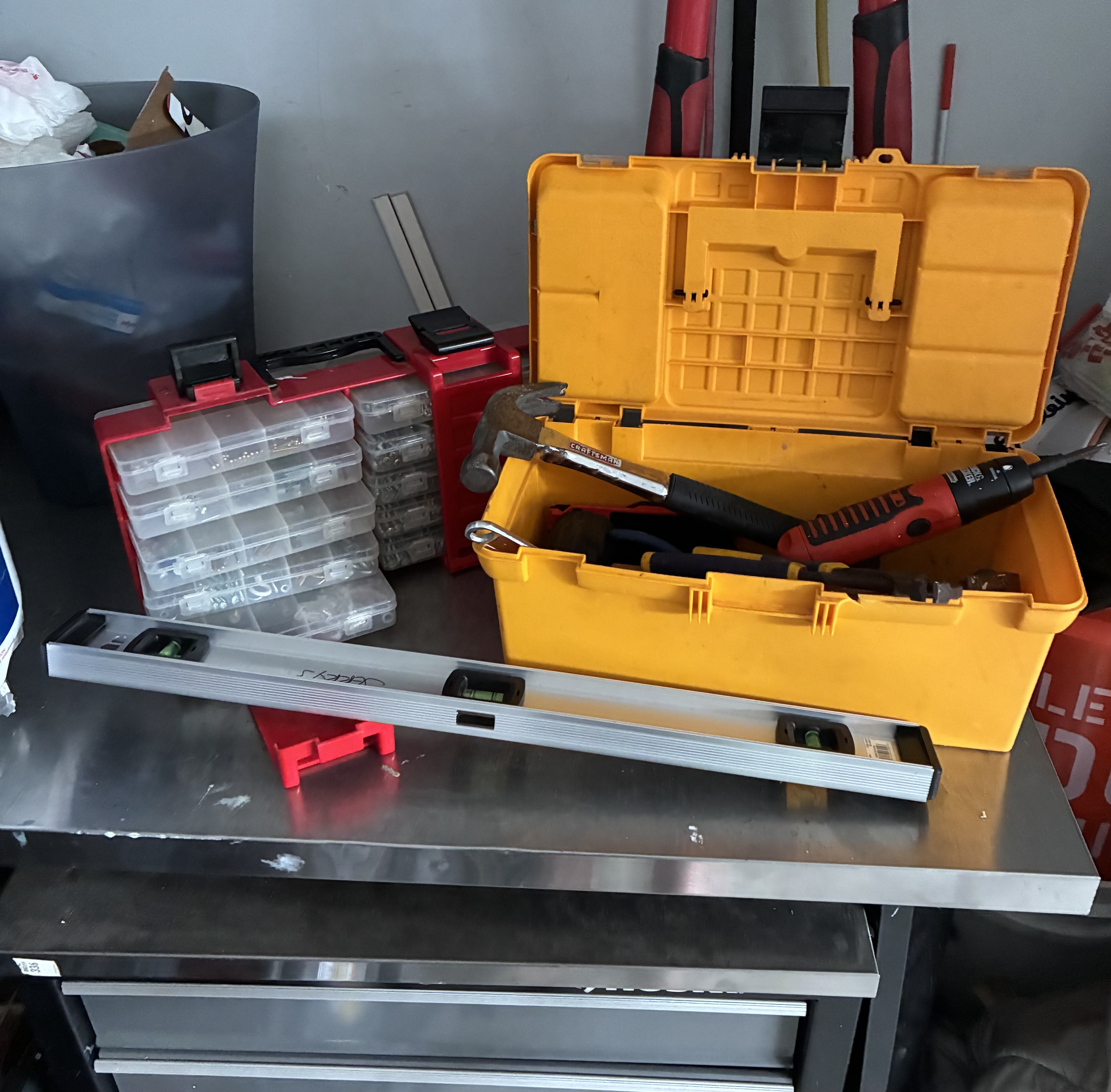
This meant we always had a full and refreshed toolbox for solving problems. We understood what each tool did, why it was in the toolbox, and when to use it.
Across the next two decades of my career – which has also included a wide variety of businesses in a wide variety of industries with a wide variety of target audiences using a wide variety of media and technologies to go to market (as well as a pivot into operational leadership) – these two ideas have remained with me.
When determining the best way to synthesize a set of solutions to make an alphabet soup of other solutions integrate to deliver the optimal solution for customers or the optimal operational efficiency of my teams, the ideas that (1) we do not have to use any given vendor, technology, or tool to solve a problem, and (2) “Just because you can, doesn’t mean you should” do and will remain relevant.
 Jerry Courtney’s Sandbox